Environmental Southwest Home

Category

Nature Recovery

8 articles

Through the Notch: Somerset’s Eel Passes Face Their Flood-Season Reckoning

Through the Notch: Somerset’s Eel Passes Face Their Flood-Season Reckoning

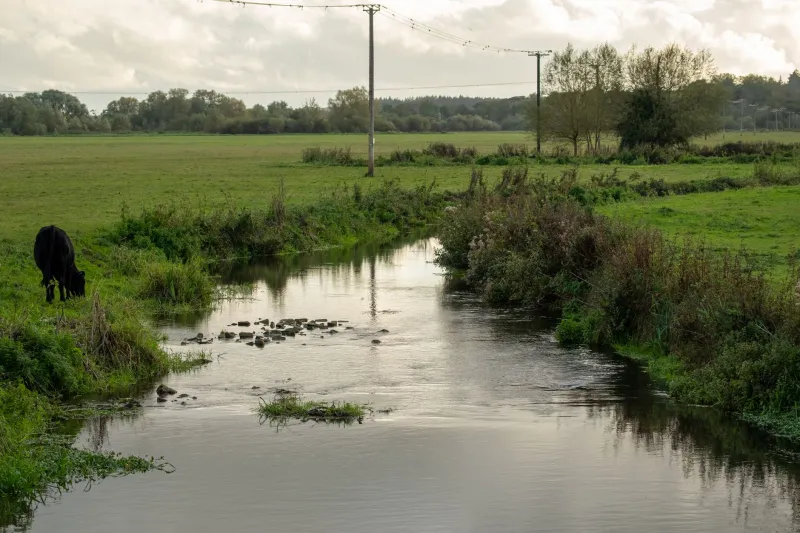
Glass eel passage schemes on the Parrett, Brue and their tributaries are moving from installation to inspection. The 2026 monitoring season has exposed the harder questions: whether notches and bypass channels work at catchment scale, who maintains them, and how eel recovery fits alongside drainage, flood defence and angling.

Phosphate by the Kilogram: Can the South West’s Nutrient Credit Market Prove Itself?

Phosphate by the Kilogram: Can the South West’s Nutrient Credit Market Prove Itself?

Nutrient neutrality has turned cleaner water into a tradable planning asset across parts of Somerset, Devon and Cornwall. Developers now buy phosphate credits from wetlands, woodlands and farm schemes—but in 2026 the question is less whether the market exists than whether it can demonstrate real reductions in the rivers it is meant to protect.

Reef, Rack and Rope: Mapping the Fal Estuary’s Native Oyster Compromise

Reef, Rack and Rope: Mapping the Fal Estuary’s Native Oyster Compromise

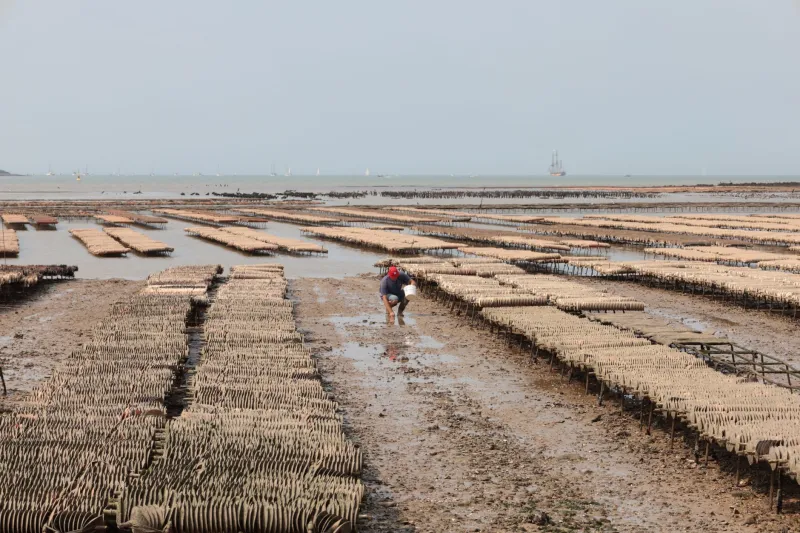
Native oyster restoration in the Fal estuary is shifting from trial plots to a harder question: how much riverbed, water column and regulatory attention can a restored reef claim without displacing the shellfish farms that already work there? The answer will shape how Cornwall’s most sheltered estuary balances recovery with livelihoods.

Between Sightline and Sward: The South West’s Roadside Verge Experiment

Between Sightline and Sward: The South West’s Roadside Verge Experiment

Roadside wildflower trials are spreading across Devon, Cornwall and Somerset, but safety audits and drainage obligations are shaping where ecology can actually take root. The 2026 evidence suggests verges can become more than a roadside gesture — if councils, contractors and farmers agree on what the margins are for.

Tide, Turbidity and Title Deeds: The Hard Questions for Severn Blue Carbon

Tide, Turbidity and Title Deeds: The Hard Questions for Severn Blue Carbon

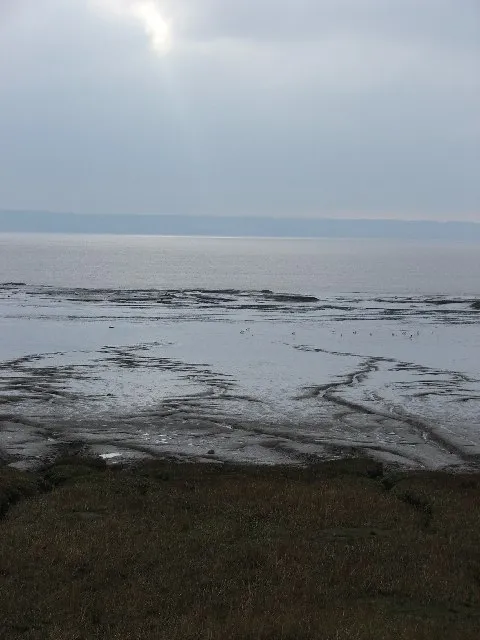
Saltmarsh restoration along the Severn Estuary is being promoted as a source of blue-carbon credits, but the market still lacks settled rules on measurement, ownership and verification. In 2026 the real test is not whether muddy habitats store carbon, but whether the paperwork behind a credit can withstand scrutiny.

Ten Per Cent, Thirty Years: Auditing Biodiversity Net Gain in the South West

Ten Per Cent, Thirty Years: Auditing Biodiversity Net Gain in the South West

Two and a half years after Biodiversity Net Gain became mandatory for major developments in England, the South West has become the country's busiest laboratory for habitat banks and off-site credits. The question for Devon, Somerset and Dorset is whether the arithmetic on paper is turning into hedges, scrapes and culm grassland on the ground.